Hello world!
A-TECH is made up of a small team with extensive experience in developing and implementing elegant solutions for complex problems, whose objective is to improve productivity and ensure the correct investment in technology.
Read more
Ajustes de accesibilidad
Contenido
Color
Navegación
Generative AI and Agent AI are two distinct types of Artificial Intelligence (AI) that perform different functions and possess different capabilities. Here is how they differ:
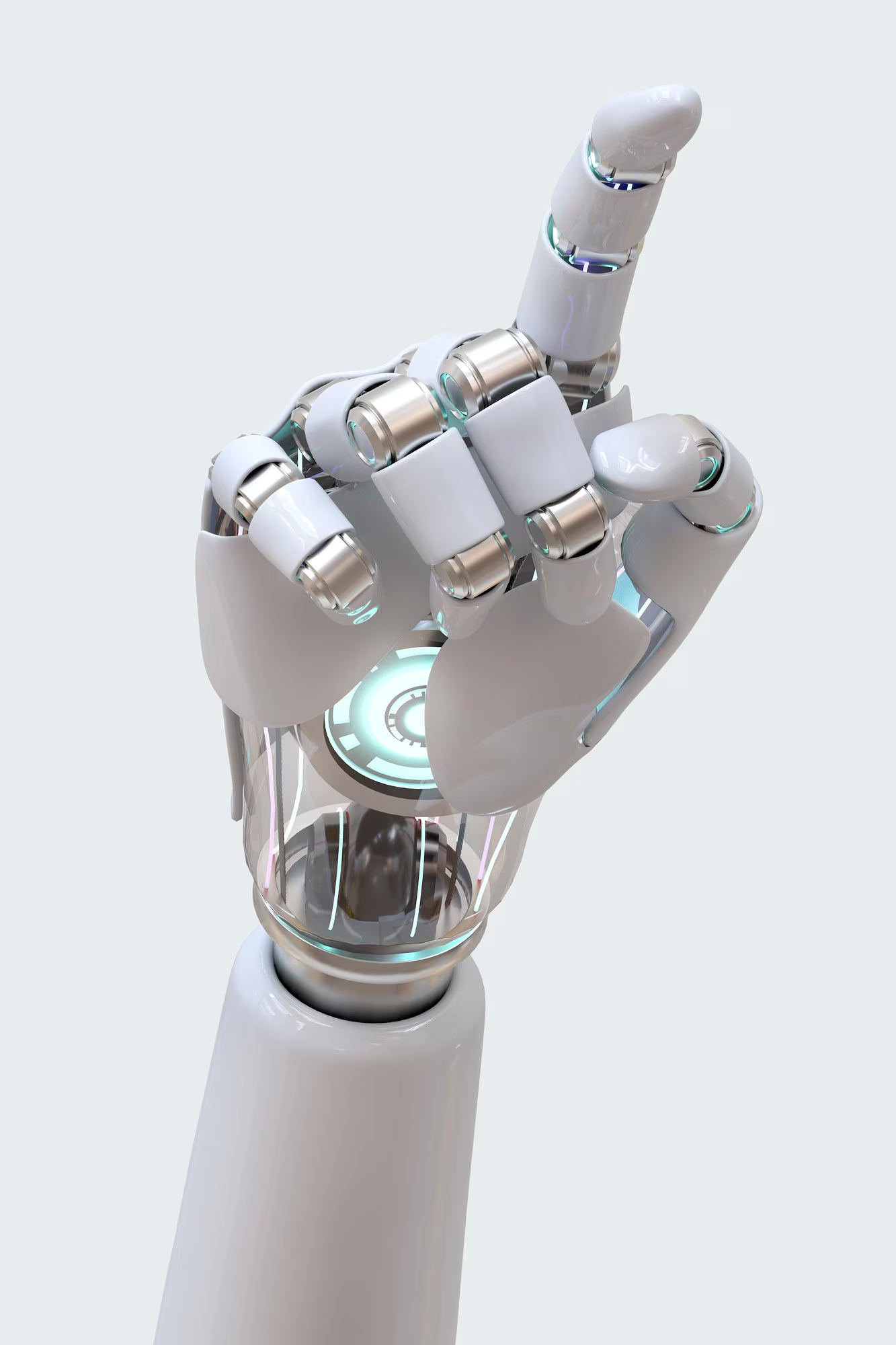
Generative AI and Agent AI are two distinct types of Artificial Intelligence (AI) that perform different functions and possess different capabilities. Here is how they differ:
A. Definition:
B. Capabilities:
C. Examples:
D. Applications:
Both Generative AI and Agent AI are constantly evolving fields with new advancements being made regularly. As technology progresses, we can expect to see more sophisticated and advanced forms of these types of AI. Combining both capabilities into a single system is also an active area of research and development.

A-TECH is made up of a small team with extensive experience in developing and implementing elegant solutions for complex problems, whose objective is to improve productivity and ensure the correct investment in technology.
Read more
Generally, software development is the process of creating computer programs that perform specific tasks or solve particular problems. This can involve writing code, testing software, and implementing it in a production environment.
Read more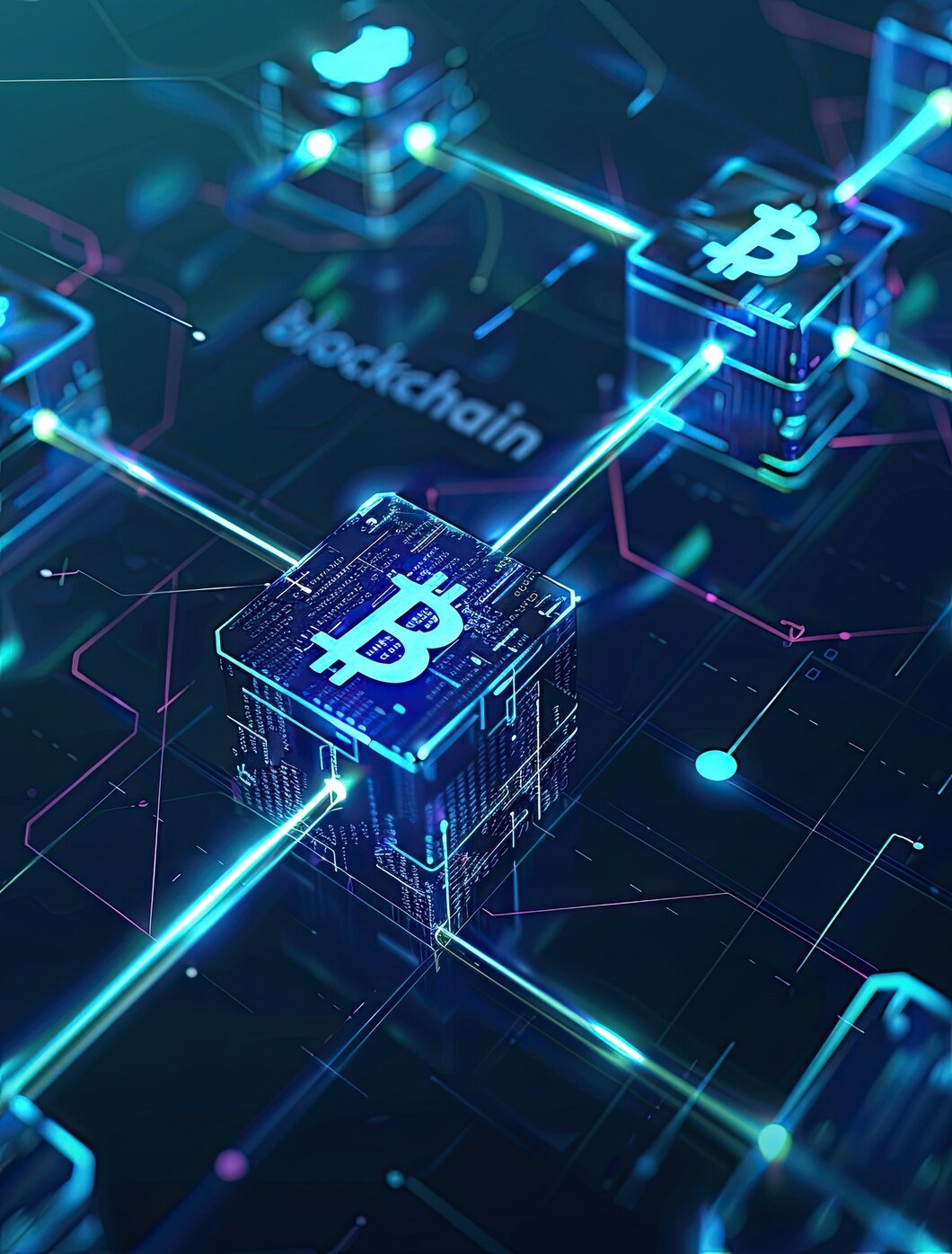
Blockchain technology is a digital ledger system that allows for secure and transparent recording of transactions or data. It works by creating a chain of blocks, where each block contains a set of records linked to the previous block in the chain, making it extremely difficult to alter or manipulate the records.
Read more